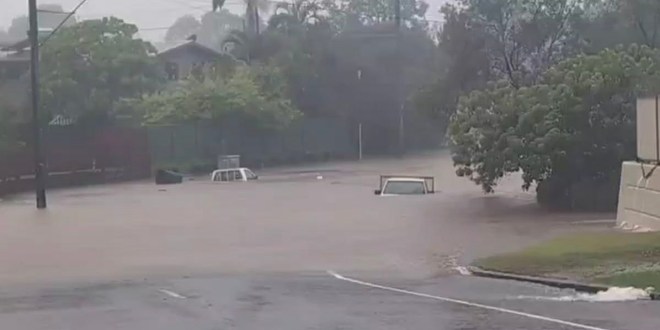
Residents are urged to take care around floodwaters to stay healthy.
Central Queensland Health is warning locals of the increased risk of infection if people come into direct contact with polluted waters.
Wound infections, dermatitis, conjunctivitis, and ear, nose and throat infections can occur.
Public Health Physician Dr Mark Stickley says all wounds should be immediately cleaned, disinfected, and kept covered.
“People should avoid flood water and mud wherever possible,” Dr Stickley said.
“The risk is higher for people with broken skin or wounds, and especially for those with chronic diseases such as diabetes.”
Those who need to clean up flood-affected property should ensure their tetanus shot is up to date, and severe wounds, or those showing signs of infection, should seek urgent advice from a health professional.
Floods may also increase the risk of diarrhoeal conditions and bacterial diseases such as leptospirosis and melioidosis.
“It is very unwise to swim in flood water, and we advise residents to ensure their children also stay away to minimise health risks,” Dr Stickley said.
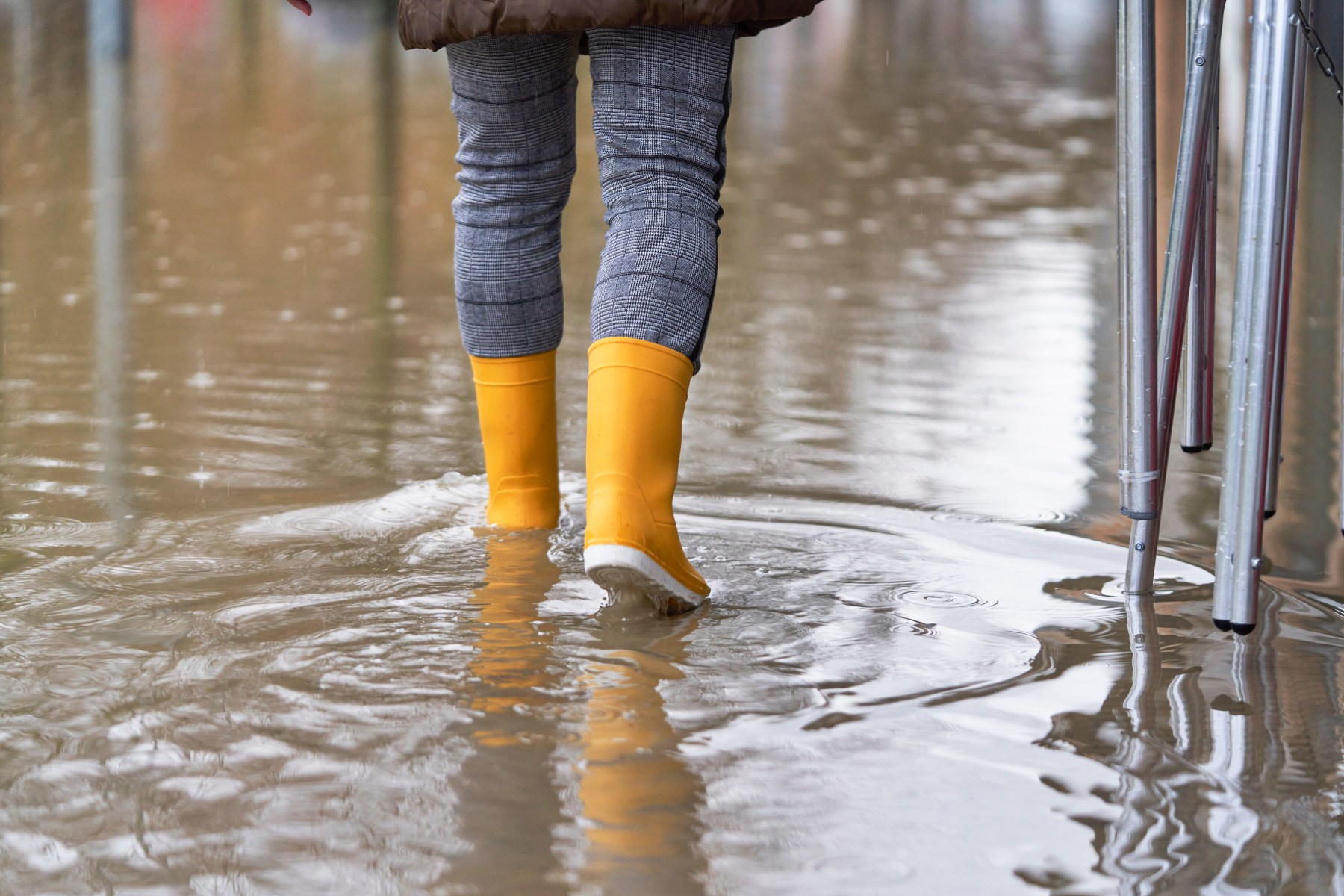
“Do not wade, even in shallow water, as it may be contaminated – if you must enter shallow flood water, wear solid boots or shoes for protection.’’
People cleaning up flood-affected areas should wear sunscreen, insect repellent, boots, gloves and a hat, drink plenty of water and clean and cover wounds.
A face mask also can help protect people from infections, particularly if using a pressure washer.
Maintaining food safety after an emergency is also important, especially if power has been cut or food has been in contact with contaminated floodwater.
After an emergency, it is recommended that you dispose of:
- Food, liquids or medicines that have been in contact with floodwater
- Food that has an unusual odour, colour or texture, or showing signs of mould
- Refrigerated food that has been left unrefrigerated or above 5°C for more than four hours
- Any frozen food that has defrosted
- Canned food where the can is open, swollen or damaged, or has a missing or damaged label
- Food containers with screw or twist caps, snap-lids, crimped caps (soft drink bottles) and flip tops